
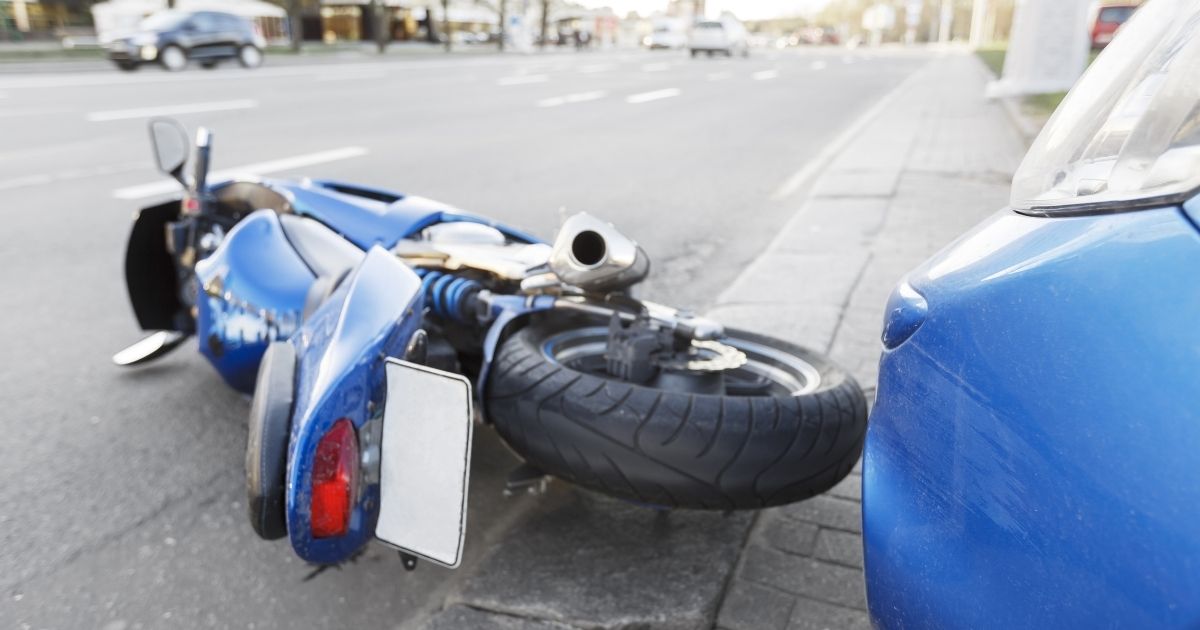
Riding a motorcycle brings freedom, but it also demands constant awareness. One of the most common hazards is blind spots—areas where other drivers simply cannot see you. Cars, trucks, and SUVs often have significant zones around them that hide motorcycles, even when bikers are careful. Taking deliberate steps to stay visible, from lane positioning to signaling, can lower the risk of accidents and make your ride safer.
What Are Motorcycle Blind Spots?
Blind spots are areas around a vehicle that the driver cannot see through mirrors or direct vision. Motorcycles often disappear into these zones, especially near large trucks or SUVs. Recognizing where these gaps exist allows riders to adjust their position and avoid dangerous situations when changing lanes or merging.
How Can Lane Positioning Reduce Blind Spot Risks?
Riding slightly left or right within your lane improves visibility to other drivers; staying too centered may leave you hidden. Adjust your position based on traffic patterns and lane width, and maintain distance from other vehicles to avoid drifting into unseen areas.
Why Is Mirror Adjustment Important for Riders?
Mirrors give a wider view of surrounding traffic and help detect vehicles before they move into blind spots. Set mirrors to cover the lane behind and the sides as fully as possible. Regularly scanning mirrors lets riders anticipate hazards and adjust positioning in time.
Can Using Lights Improve Visibility?
Daytime running lights, bright headlights, and reflective gear increase your chances of drivers spotting your motorcycle. Lighting is especially helpful in heavy traffic, low-light conditions, or bad weather – combining lights with active scanning and lane positioning enhances overall safety.
How Does Signaling Play a Role in Safety?
Clear, early use of turn signals communicates your intentions to other drivers. Supplementing the indicators with hand signals in certain situations adds visibility. Most importantly, signaling before lane changes or turns gives drivers time to react, reducing the chance of collisions.
Should Riders Check Blind Spots Before Every Maneuver?
Yes. Turning your head to physically check blind spots is important even when your mirrors appear clear. Vehicles may be hidden by pillars, curves, or obstacles. Making this a habit before changing lanes or merging lowers accident risk significantly.
What Defensive Riding Techniques Protect Against Blind Spot Hazards?
Defensive riding anticipates that other drivers may not see a motorcycle. Keeping a safe following distance, avoiding prolonged riding alongside large vehicles, and making movements predictable can prevent crashes. Being ready to brake or adjust position adds an extra layer of protection.
Can Weather Conditions Affect Blind Spot Safety?
Rain, fog, and glare from the sun can make it difficult for drivers to spot a motorcycle, and wet or reflective roads may further conceal a rider. Staying visible with high-visibility clothing and adjusting your speed and lane position reduces risk when conditions limit sightlines.
What Legal Rights Do Riders Have After a Blind Spot Accident?
If a driver fails to see a motorcycle and an accident occurs, riders may be able to claim compensation for medical bills, lost wages, and pain and suffering. Gathering evidence like accident reports, witness statements, and photos from the scene can strengthen a claim. To protect your legal rights, speak with our Delaware County motorcycle accident lawyers promptly after your crash.
Stay Visible and Protect Your Rights With a Delaware County Motorcycle Accident Lawyer at Bikers Have Rights
If you need legal guidance after a crash, contact a Delaware County motorcycle accident lawyer at Bikers Have Rights. We know the difficulties you are facing because we ride, too. Call 877-333-0300 or complete our online form today for a free consultation. Located in Plymouth Meeting, PA, we serve clients in Pennsylvania and New Jersey.